
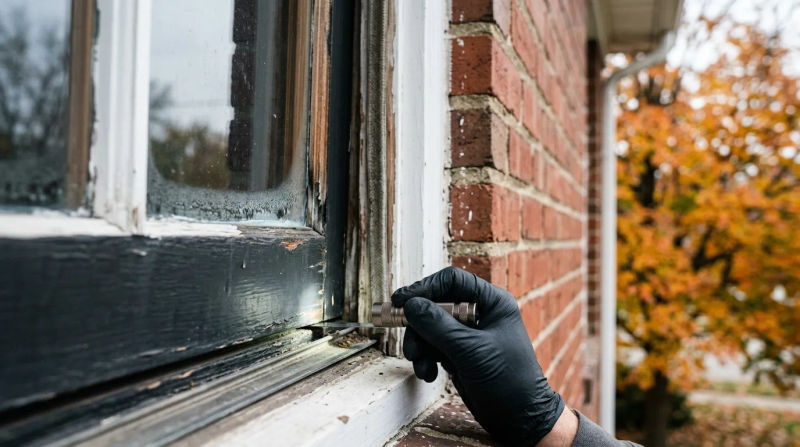
It’s a crisp October morning in Dayton, and you decide to let in some fresh autumn air before closing up the house for the coming winter. You go to lift the window sash, but it refuses to budge. You give it another try, this time with more force, but it remains stubbornly stuck. Or perhaps the opposite is true - you’re trying to close a window that’s been open all summer, and it won’t seal properly, leaving a frustrating gap for cold air to sneak in. If this scenario sounds familiar, you’re not alone. As a property resolutions specialist with over a decade of experience in the Lafayette area, I’ve seen this exact issue countless times. Sticking windows are one of the most common complaints we receive, especially as the temperatures begin to drop.
Common Signs and Symptoms
A sticking window can manifest in several ways, and identifying the specific symptoms can help diagnose the underlying cause. While the most obvious sign is a window that simply won’t open, Dayton, IN homeowners should also look for more subtle clues that indicate a problem is developing.
- Increased Resistance: The window sash feels unusually heavy or requires significant effort to lift, lower, or slide.
- Partial Operation: The window opens or closes partway and then stops, as if it’s hitting an obstruction.
- Grinding or Scraping Noises: You hear unpleasant sounds as the sash moves along its track, suggesting friction or debris.
- Misaligned Locks: The locking mechanism no longer lines up correctly, making it difficult or impossible to secure the window.
- Uneven Gaps: When closed, the window doesn’t sit flush against the frame, leaving visible gaps that can lead to drafts and energy loss.
Recognizing these signs early is key. What starts as a minor annoyance can become a major headache, a security risk, or even a safety hazard in an emergency.
What Causes This Problem
Understanding why your windows are sticking is the first step toward a solution. The temperature swings of an Indiana fall, combined with the age and material of your windows, create a perfect storm for operational issues. Here are the seven most common culprits our technicians encounter.
- Thermal Expansion and Contraction
Materials expand when heated and contract when cooled. Vinyl and wood window frames and sashes are constantly reacting to temperature changes. During a warm autumn day, the materials expand. When a sudden cold front moves in overnight, they contract. This movement can cause parts to bind, especially in vinyl windows where the frame and sash may contract at slightly different rates. This is a frequent answer to the question of how to fix sticky vinyl windows - the issue is often environmental, not mechanical.
- Humidity and Moisture Absorption
In Dayton, many of our beautiful historic homes, from the Folk Victorians to the American Foursquares built before 1940, feature original wood windows. Wood is porous and acts like a sponge, absorbing moisture from the air. This leads to window sash swelling in cold weather just as it does in humid summers. The cool, damp conditions of an Indiana fall can cause the wood to swell just enough to make it bind tightly within the frame.
- Debris in Window Tracks
Autumn means heavy leaf fall, dust, and grime. All of this debris can find its way into the channels and tracks your window sash slides in. Over time, this buildup compacts and creates a physical obstruction, making it difficult for the window to move smoothly. If your window won’t open Dayton IN homes often have this simple, yet overlooked, problem.
- Foundation Settling and Structural Shifts
Homes are not static; they settle and shift over time. This is particularly true for the older housing stock in our area. Even minor settling can warp the rough opening where the window is installed, throwing the frame slightly out of square. The window sash, which is perfectly square, will then bind against the now-uneven frame. The first ground freezes of the season can cause subtle soil shifts that make a pre-existing alignment issue much more noticeable.
- Warped or Damaged Frames
Years of exposure to the elements can take a toll on window components. Wood frames can warp or rot from prolonged moisture exposure, while vinyl frames can become brittle and crack. A warped frame changes the dimensions of the opening, creating tight spots that prevent the sash from operating correctly.
- Excessive Paint Buildup
This is one of the most common causes of sticking windows in older homes. With each new coat of paint applied over the years, the clearance between the window sash and the frame shrinks. If a window was painted while it was shut, the paint can effectively glue the sash to the stop and jamb, sealing it completely.
- Failing Balance Systems
Modern windows use spring-loaded mechanisms called sash balances to counteract the weight of the sash, making it easy to lift. Older wood windows may use a system of ropes, pulleys, and weights hidden in the wall. When these systems wear out or break, the full weight of the sash must be lifted manually, making it feel heavy and stuck. You might hear a loud snap or find the window slams shut after you open it, which are clear signs of a failed balance.
When to Call a Professional
Some causes of sticking windows can be addressed with a little DIY effort, while others require the tools and expertise of an experienced professional.
Potential DIY Fixes:
- Clean the Tracks: For debris-related issues, a thorough cleaning can work wonders. Use a stiff brush and a vacuum with a crevice tool to clear out dirt, leaves, and other obstructions from the window tracks and sills.
- Apply Lubricant: For vinyl or metal windows, applying a dry silicone spray to the clean tracks can reduce friction and restore smooth operation. Avoid oily lubricants, as they attract more dirt.
- Address Minor Paint Seals: If a window is painted shut, you can sometimes break the seal by carefully running a putty knife or a specialized tool in the seam between the sash and the frame.
When Professional Help is Needed: It's time to contact a local professional when the problem is beyond a simple cleaning or lubrication. If you notice any of the following, it’s best to have an expert take a look:
- The frame is visibly warped, cracked, or rotted.
- You suspect the issue is related to house settling, as this may indicate a larger structural concern.
- The glass is cracked or the seal on a double-paned window has failed (indicated by fogging between the panes).
- The window’s internal balance system is broken. These repairs can be complex and require disassembly of the window.
- You’ve tried the simple fixes and the window still won’t operate correctly.
- You are dealing with historic wood windows and want to preserve their integrity without causing damage.
Conclusion
Sticking windows are more than just a minor inconvenience; they can impact your home's energy efficiency, security, and your safety in an emergency. The temperature fluctuations and dampness of a Dayton fall often expose or worsen underlying issues with window alignment, material integrity, and mechanical function. While simple cleaning can sometimes resolve the problem, causes like structural shifts, warped frames, and broken hardware require a professional diagnosis.
Don’t wait for the problem to get worse. Addressing a sticking window now, before the cold of winter truly sets in, can save you from drafts, high energy bills, and a much more difficult repair down the road.
If you notice any of these signs, contact a local handyman professional for an inspection.